Your Guide to an Adult ADHD Diagnosis: What to Do After an ADHD Quiz
Are you questioning whether you might have ADHD? Perhaps an online quiz has given you some insights, and now you're wondering what comes next. Taking the next step toward an adult ADHD diagnosis can feel daunting, but it's a journey toward clarity, self-acceptance, and effective support. This guide aims to make the process clearer, helping you confidently move towards a professional evaluation.
Why Seek an Official Adult ADHD Diagnosis?
While an online screening tool like our online ADHD quiz is a helpful first step to understand potential traits, a formal diagnosis from a qualified professional is the key to true understanding and support. It’s more than just a label; it’s a framework for understanding your past, navigating your present, and building a more successful future.

The Benefits of a Formal Diagnosis for Adults
For many adults, a diagnosis is a validating experience. It reframes a lifetime of challenges—procrastination, disorganization, emotional dysregulation—as symptoms, not personal failures. This new perspective can boost self-esteem and reduce anxiety. A formal diagnosis also unlocks access to targeted treatments like therapy, coaching, and medication, plus legal protections and accommodations at school or work.
Dispelling Common Myths About Adult ADHD
Overcoming common misconceptions is a major hurdle. Many believe ADHD is a childhood condition you simply "grow out of," or that successful people can't have it. In reality, ADHD persists into adulthood, and many high-functioning individuals develop complex coping skills to mask their symptoms. Dispelling these myths is a key step toward getting the help you deserve.
How to Get Tested for Adult ADHD: Finding the Right Professional
Once you’ve decided to pursue an evaluation, the first practical step is finding the right healthcare provider. Not all doctors are trained in diagnosing adult ADHD, so it’s important to find a specialist with the right expertise. Using a resource like our ADHD self-assessment can provide you with a summary to share during your first consultation.
Psychiatrist vs. Psychologist: Who Can Diagnose ADHD?
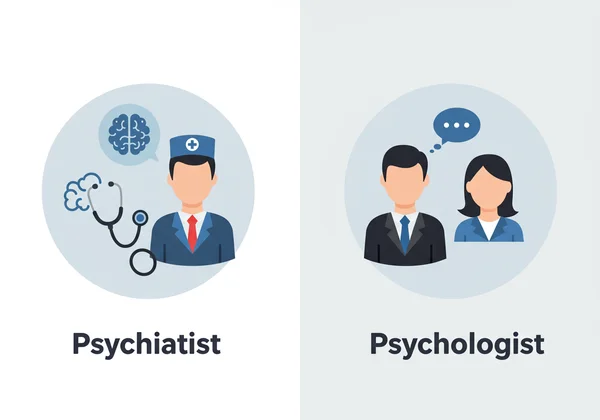
Understanding the difference between a psychiatrist vs. psychologist is key. Both are qualified to diagnose ADHD, but their roles in treatment differ.
-
Psychiatrists are medical doctors (MDs) who can prescribe medication. They often handle both the diagnosis and the medical management of ADHD.
-
Clinical Psychologists (PhDs or PsyDs) specialize in psychological testing and therapy. They conduct comprehensive assessments and provide behavioral therapies like Cognitive Behavioral Therapy (CBT) but cannot prescribe medication. Often, these professionals work together to provide comprehensive care.
Essential Questions to Ask an ADHD Specialist
A brief consultation beforehand can help ensure the provider is a good fit. Here are some essential questions to ask an ADHD specialist:
- "What is your experience in diagnosing ADHD in adults, particularly in my demographic (e.g., women, professionals)?"
- "What does your assessment process involve, and how long does it typically take?"
- "What are your views on treatment, including both medication and therapy?"
- "What are the estimated costs, and do you accept my insurance?"
What to Expect During the Adult ADHD Assessment Process
Knowing what to expect during the assessment process can significantly reduce anxiety. A thorough evaluation is a comprehensive process, not a quick checklist, designed to get a complete picture of you. It's helpful to bring along the results from any preliminary screening tool you've completed.
The Initial Consultation and Medical History Review
Your first appointment will likely be an in-depth conversation about your struggles and goals. The clinician will ask about your developmental, medical, academic, and social history to rule out other conditions that might mimic ADHD symptoms. Honesty and openness are crucial here.
Behavioral Interviews and Standardized Questionnaires
This is the core of the assessment. You'll participate in a structured clinical interview and complete several ADHD rating scales for adults. These standardized questionnaires help the clinician measure the frequency and severity of your symptoms against diagnostic criteria, such as those found in the DSM-5. They may also ask to speak with a parent, partner, or close friend to get an outside perspective on your behavior.

Why Childhood Information (and Old Report Cards) Matters
Clinical guidelines for an ADHD diagnosis require evidence that symptoms were present before age 12. This is why childhood information matters. Your clinician will ask about your behavior as a child. If you have old report cards with comments like "daydreams often" or "is easily distracted," they can be incredibly insightful pieces of the puzzle.
Receiving Your Diagnosis and Understanding the Results
After gathering all the information, the clinician will schedule a feedback session. Here, they will discuss their findings, explain whether you meet the criteria for an ADHD diagnosis, and outline potential treatment options. This is a collaborative conversation, so feel free to ask questions until you fully understand your results and the proposed next steps.
Preparing for Your Appointment: Talking to Your Doctor About ADHD
Proper preparation can make talking to your doctor about ADHD much smoother. Arriving with organized information helps your doctor understand your experiences and makes you a better advocate for yourself.
Documenting Your Symptoms and Their Impact
Before your appointment, create an ADHD symptom checklist for adults. Don't just list symptoms; provide specific examples of their impact on your career, relationships, finances, and home life. For instance, instead of just saying "I'm forgetful," you could write, "I've missed three important deadlines at work this quarter because I forgot about them."

Key Questions to Ask Your Specialist During the Consultation
Go into your consultation with prepared questions. This shows you're engaged and ensures you get the information you need. Consider asking these key questions for your ADHD doctor:
- "Based on my diagnosis, what are the primary challenges I might face?"
- "What treatment options do you recommend for me, and what are their pros and cons?"
- "What non-medical strategies or lifestyle changes could support my treatment?"
- "Can you recommend any books, resources, or support groups?"
Taking the Next Step Towards Clarity and Support
Embarking on the path to an official ADHD diagnosis is a powerful act of self-care. It’s about moving beyond confusion and self-doubt toward a future filled with greater understanding, compassion, and strategies tailored to how your brain works. While the journey may seem complex, each step brings you closer to the clarity you deserve.
If you're just beginning to explore this possibility, a great place to start is with a confidential and science-based self-assessment. Take the first step on our website to gain valuable preliminary insights that can help you prepare for a conversation with a healthcare professional.
Frequently Asked Questions About Adult ADHD Diagnosis
Do I Need an Official Diagnosis if I Scored High on an Online ADHD Quiz?
While a high score on a reputable online screener is a strong indicator that you should investigate further, it is not an official diagnosis. Tools like our free ADHD quiz are designed for informational purposes to help you identify potential traits. An official diagnosis must be made by a qualified healthcare professional through a comprehensive evaluation.
How Long Does an Adult ADHD Assessment Typically Take?
The duration varies, but a thorough assessment is rarely completed in a single visit. It typically involves several hours spread across two to four appointments. This allows the clinician to gather detailed history, conduct interviews, administer tests, and score the results before providing a conclusive diagnosis.
Can My General Practitioner Diagnose Me with ADHD?
While some general practitioners (GPs) or primary care physicians (PCPs) may feel comfortable diagnosing and treating straightforward cases of ADHD, most will refer you to a specialist like a psychiatrist or psychologist. Specialists have the advanced training and tools necessary for a comprehensive and accurate adult ADHD assessment.
What Should I Do If My Doctor Doesn't Believe I Have ADHD?
This can be incredibly disheartening, but don't give up. If you feel your concerns were dismissed, it is perfectly acceptable to seek a second opinion, preferably from a specialist with extensive experience in adult ADHD. Arrive at your next appointment prepared with documented examples of your symptoms to support your case.
Is the ADHD Diagnosis Process Different for Children or Teens?
Yes, the process is similar but adapted for younger age groups. For children and teens, the assessment heavily involves input from parents and teachers through specific rating scales. Observation in a school setting may also be part of the evaluation. While the core diagnostic criteria are the same, the way symptoms present and are measured is tailored to their developmental stage. To understand your child's traits, our quiz offers a path guided by a parent.
Disclaimer: The information provided in this article is for informational purposes only and is not a substitute for professional medical advice, diagnosis, or treatment. Always seek the advice of your physician or another qualified health provider with any questions you may have regarding a medical condition. The online ADHD quiz is a screening tool and not a diagnostic instrument.