3-5 Year Olds: ADHD Symptoms vs. Typical Kid Behavior & Quiz
Is your living room a constant whirlwind of energy? Does your preschooler flit from one toy to another, leaving a trail of beautiful chaos? As a parent, it's natural to watch your 3-5 year old's boundless enthusiasm and wonder: is this just typical kid behavior, or could it be something more? You're not alone in asking, and finding clarity is the first step toward providing the best support for your child. This guide is here to help you navigate these questions, and when you're ready, our free adhd quiz can offer a moment of insight. If you've ever found yourself wondering, does my child have adhd quiz?, you're in the right place to find some initial answers.
It’s a delicate balance. The very traits that define early childhood—short attention spans, endless energy, and acting on impulse—can also overlap with early indicators of Attention-Deficit/Hyperactivity Disorder (ADHD). Discerning between the two requires a gentle, informed perspective. Let's explore the key differences together and understand how a tool like our preliminary ADHD quiz can be a helpful starting point on your journey.
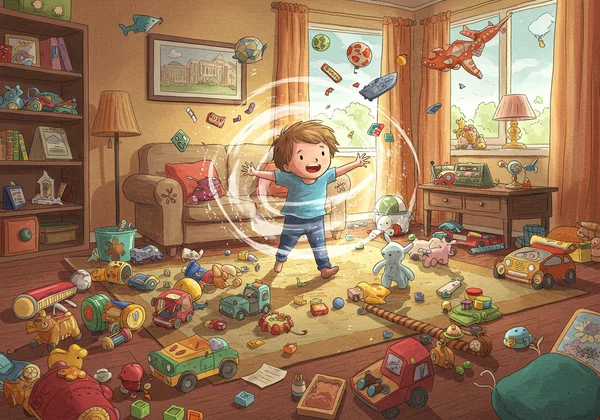
Decoding Preschooler Behavior: Normal Development vs. Red Flags
Before we dive into specific symptoms, it’s crucial to understand the landscape of early childhood development. This age is a period of explosive growth, where children are learning to manage big emotions, navigate social rules, and control their bodies. What seems like a symptom might just be a normal, age-appropriate phase.
What's Typical? Developmental Milestones for 3-5 Year Olds
For preschoolers, a high level of activity and a wandering attention span are often the norm. Here’s a snapshot of what is generally considered typical developmental behavior:
-
Short Attention Span: A 4-year-old is typically able to focus on a task they enjoy for about 5-10 minutes. Their attention will naturally drift, especially if the activity isn't highly engaging.
-
High Energy Levels: Running, jumping, and climbing are how young children explore their world and develop motor skills. They often seem to have an endless supply of energy.
-
Impulsivity: Preschoolers are still developing self-control. Grabbing a toy from a friend or interrupting conversations is common as they haven't yet mastered social rules and delayed gratification.
-
Forgetfulness: Asking a child to do three things at once will likely result in only one (or none!) getting done. Their working memory is still developing.
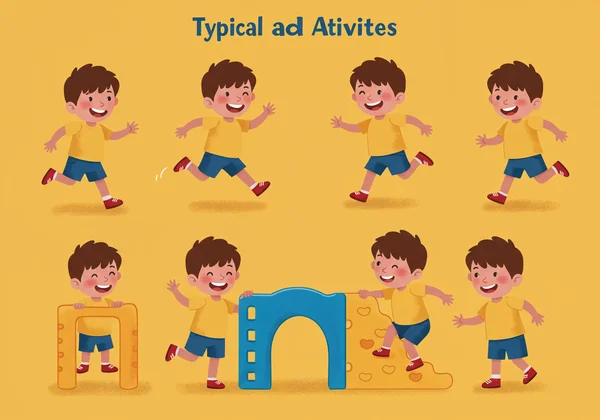
Beyond the Norm: When Behavior Raises a Concern
The key difference between typical behavior and potential ADHD indicators often lies in three areas: intensity, frequency, and impact. While all preschoolers are distractible, a child who may benefit from further evaluation might be so distractible that they cannot participate in group activities at all. Their behavior may consistently and negatively affect their ability to learn, make friends, or stay safe. If you find that these behaviors are causing significant stress at home or are being flagged as problematic in preschool or daycare settings, it might be time to look closer.
Recognizing Potential ADHD Symptoms in 3-5 Year Olds
When professionals evaluate for ADHD, they look for a persistent pattern of specific behaviors. These are grouped into two main categories: inattention and hyperactivity/impulsivity. While a formal diagnosis is rarely given before age 4 or 5, recognizing these signs can empower you to seek early support. This is where a preliminary our preliminary child assessment can provide valuable structure to your observations.
Inattention: Distraction, Forgetfulness, and Focus Challenges
While all preschoolers get distracted, challenges with inattention in this context go a step further. It's not just about losing interest in a boring task; it's a consistent difficulty in sustaining focus even during activities they enjoy.
- Doesn't Seem to Listen: Do you often feel like your words are going in one ear and out the other, even when you're speaking directly to them?
- Difficulty Following Instructions: The child may start a task but get sidetracked and forget what they were supposed to be doing.
- Shifts Activities Constantly: They may move from one unfinished activity to the next, rarely completing a puzzle, drawing, or game.
- Loses Things Frequently: Misplacing toys, shoes, or lunchboxes is a regular occurrence, beyond typical childhood forgetfulness.
Hyperactivity & Impulsivity: Restlessness and Acting Without Thinking
This is the "H" in ADHD and is often the most visible sign in young children. Hyperactivity and impulsivity are more than just energetic; they involve a constant need for motion and a struggle to control immediate urges.
-
Fidgets and Squirms: The child is unable to sit still during story time, meals, or other quiet activities. They are often described as being "driven by a motor."
-
Runs or Climbs Excessively: They may climb on furniture or run in inappropriate situations, often without an awareness of the danger.
-
Interrupts Constantly: They might blurt out answers before a question is finished or intrude on others' conversations and games.
-
Has Trouble Waiting Their Turn: Patience is a challenge for all young children, but for a child with these tendencies, waiting in line or for their turn in a game can feel almost impossible.
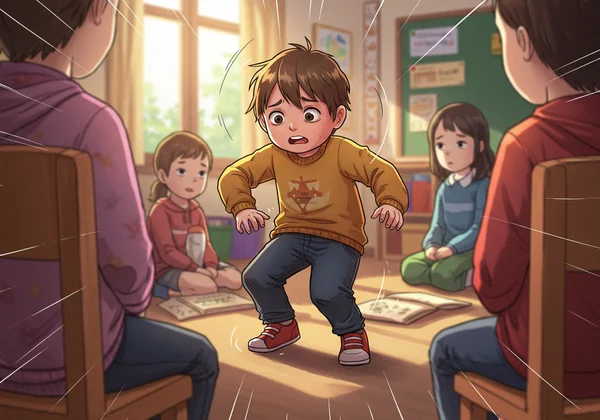
Real-Life Examples: What These Symptoms Look Like Day-to-Day
Let's bring these descriptions to life. Imagine a group of preschoolers listening to a story. The typical child might fidget a bit or look away, but they can be redirected. A child showing potential signs of ADHD might get up and run around the room, unable to rejoin the group despite repeated invitations.
During playtime, a typical child might excitedly grab a toy. A child with significant impulsivity might do so frequently, causing social friction, and may not respond to corrective feedback because the impulse to act overpowers their ability to think first. These patterns, when observed daily across different settings, are what warrant closer attention.
When to Seek Professional Guidance for Your Child's Development
If you're reading this and nodding along, remember: your observations are valid and important. The goal is not to label but to understand and support. Trust your parental intuition. If you feel that your child's behavior is persistently challenging and impacting their happiness and development, it's always a good idea to seek a professional opinion.
Preparing for a Conversation with Your Pediatrician
Your pediatrician is your best first point of contact. To make the conversation as productive as possible, go prepared. Start keeping a simple log of the specific behaviors you've observed. Note when they happen, how often, and in what situations. This concrete information is far more helpful than saying, "My child is just so hyper." Mention any feedback you've received from teachers or caregivers. This is where using a preliminary tool can be incredibly helpful; completing a free ADHD quiz can help you organize your thoughts and identify key areas of concern to discuss.
How Our Online ADHD Quiz Offers Preliminary Insights (Not Diagnosis)
It is essential to understand that our online tool is not a substitute for a professional medical diagnosis. A formal diagnosis can only be made by a qualified healthcare provider through a comprehensive evaluation.
So, what is the purpose of our quiz? It serves as a structured, private, and accessible first step. Our ADHD quiz for kids is designed to be completed by a parent, walking you through questions based on established criteria like the DSM-5. It helps you:
- Organize Your Observations: The questions provide a framework for what behaviors are relevant.
- Gain Preliminary Insights: The results can indicate whether the behaviors you're seeing align with common ADHD traits, giving you more confidence in your decision to consult a doctor.
- Create a Starting Point for Discussion: You can take the results summary with you to your pediatrician's appointment as a helpful conversation starter.
Think of it as a tool for clarity. It helps you move from a place of worry to a place of informed action.
Your Next Steps: Gaining Clarity for Your Child's Future
Parenting a preschooler is a journey filled with love, laughter, and a healthy dose of confusion. Understanding the line between typical development and potential ADHD symptoms is about empowerment. It’s about giving you the knowledge to best support your child, whether that means adjusting your parenting strategies or seeking professional guidance.
Remember, you are your child's greatest advocate. By paying attention to their unique needs, you are already doing an amazing job. If this guide has resonated with you, the next step is simple and private. start our child ADHD quiz now on our website to gain structured, preliminary insights into your child's behavior. It’s a confidential way to find clarity and decide on the best path forward for your family.
Frequently Asked Questions
Does my child have ADHD, or is it just typical preschooler behavior? This is the central question for many parents. The key difference often lies in the consistency, intensity, and impact of the behavior. If symptoms are present across various settings (home, school, playground), are more intense than in other children the same age, and are negatively affecting their ability to learn and socialize, it’s worth exploring further. Our quiz can help you reflect on these patterns.
How accurate are online ADHD quizzes for young children? Online quizzes like ours should be viewed as preliminary screening tools, not diagnostic instruments. They are designed to be accurate in identifying potential traits based on your reported observations. Their main value is in helping you structure your concerns and determine if a professional consultation is a logical next step.
When should I consult a pediatrician about my 3-5 year old's symptoms? You should consult a pediatrician if you have persistent concerns, especially if your child's behavior is causing them distress, leading to safety issues (due to impulsivity), or creating significant challenges at preschool or in social settings. Bringing notes and the results from an our online ADHD screening tool for children can make this conversation more effective.