TikTok ADHD: Fact, Fiction, & Your ADHD Quiz for Real Signs
Have you scrolled through TikTok recently and seen a video about ADHD that made you stop and think, "Wait, that's me"? You're not alone. Social media has become a huge platform for raising awareness, creating communities, and helping people feel seen. While this can be incredibly validating, it also creates a whirlwind of information where it's tough to separate relatable quirks from genuine symptoms. If you're searching for an online ADHD quiz, you've come to the right place for clarity.
This guide will help you understand the TikTok ADHD phenomenon, learn to distinguish between online trends and clinically recognized signs, and show you how a reliable ADHD quiz can be your best first step. Instead of getting lost in the algorithm, you can start your journey toward real understanding. The first step is often the hardest, but you can get initial clarity now with a structured self-assessment.
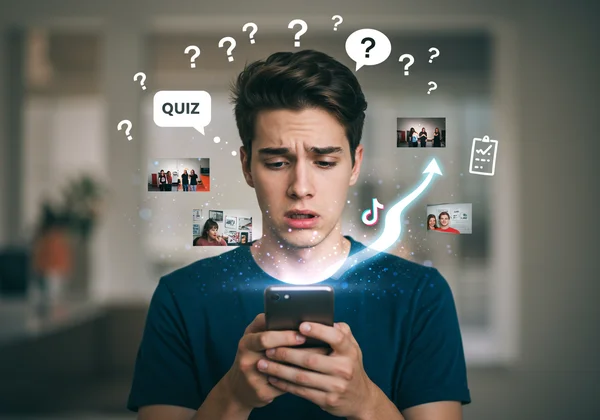
Decoding Social Media ADHD Symptoms & Trends
The conversation around ADHD has exploded online, particularly on video-sharing platforms. This has done wonders for reducing stigma, but it has also created a new set of challenges. Understanding why these trends are so popular is key to navigating them responsibly.
The Allure of Relatable ADHD Content Online
Why do these short videos resonate so deeply with millions? It often comes down to a feeling of validation. When a creator describes struggling with "object permanence" because they forget food in the fridge or having "time blindness" when they're late again, it can feel like someone is finally putting words to your lifelong struggles.
This relatable ADHD content fosters a sense of community. For many, especially women and adults who were undiagnosed as children, these posts are the first time they feel like their experiences aren't just personal failings. Seeing thousands of comments saying "me too" is powerful. It makes people feel less isolated and more understood, which is a wonderful and important part of the mental health journey.
Common Misconceptions Amplified by Online Trends
While validation is valuable, online trends can oversimplify what it means to have ADHD. A 30-second video can't capture the complexity of a neurodevelopmental disorder. Many videos equate common human experiences, like losing your keys or getting distracted, with ADHD.
The reality is that ADHD isn't just about having a messy room or procrastinating on a project. It's a persistent pattern of inattention and/or hyperactivity-impulsivity that interferes with functioning or development across multiple settings, like at work, in school, and in relationships. These viral trends often miss the crucial "impairment" aspect, leading many to self-diagnose based on a few relatable traits rather than a consistent and challenging pattern of symptoms.
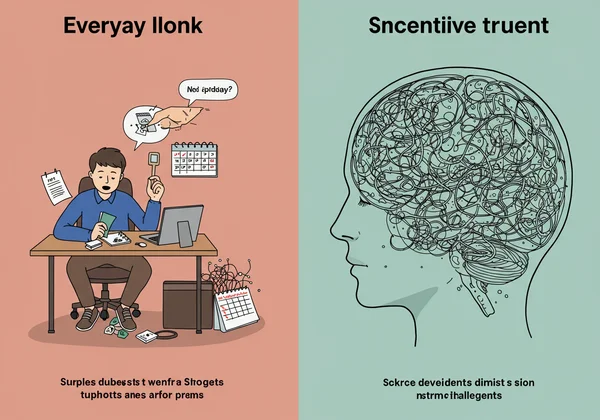
Is My Anxiety ADHD? Understanding Overlapping Signs
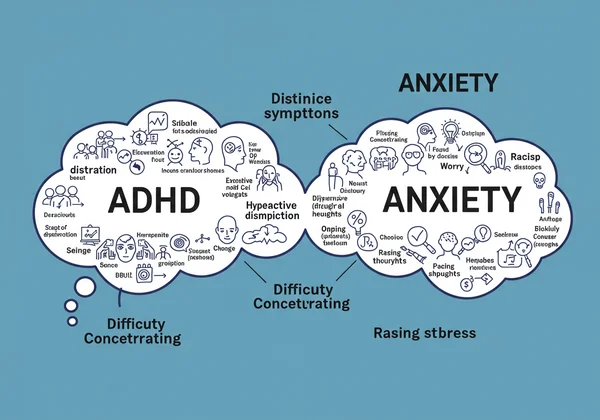
One of the most common points of confusion online is the overlap between ADHD and anxiety. Many posts describe feelings of being overwhelmed, having a racing mind, or being unable to focus, attributing them solely to ADHD. This has left countless people asking, "Is it ADHD, or is it my anxiety?" Taking a high-quality ADHD quiz can be a starting point, but understanding the key differences is crucial.
How ADHD & Anxiety Symptoms Can Overlap
It's easy to see why these two conditions get mixed up. Both can make you feel restless and on edge. Both can make it incredibly difficult to concentrate on a task. If you're constantly worried (anxiety), your focus will be shot. If your brain is naturally prone to distraction (ADHD), you'll also struggle to focus.
Here are a few overlapping signs:
- Difficulty Concentrating: Anxiety can fill your mind with worries, while ADHD can make it hard to filter out external stimuli. The result is the same: you can't focus.
- Restlessness or Fidgeting: Someone with anxiety might fidget out of nervous energy. Someone with ADHD might fidget because their brain needs extra stimulation to stay engaged.
- Issues with Sleep: A racing, worried mind can keep you up at night, but so can the hyperactive brain of someone with ADHD.
Key Distinctions: When It's More Than Just Worry
While the symptoms can look similar on the surface, their roots are often different. The key distinction usually comes down to "why" it's happening. Anxiety is often driven by fear and worry about what might happen. The internal monologue is full of "what ifs." You might struggle to start a task because you're afraid of failing.
ADHD, on the other hand, is primarily a challenge of executive function and regulation. You might struggle to start a task because your brain isn't producing enough dopamine to feel motivated, or you simply can't figure out how to break it down into steps. The distraction isn't always rooted in worry, but in an inability to regulate focus. To better understand your own patterns, a free online quiz can provide valuable personal insights.
Beyond the Hype: Recognizing Real ADHD Signs
Scrolling through social media is one thing, but understanding the recognized markers of ADHD is another. To move from curiosity to clarity, it’s essential to look beyond trending audio and learn about the criteria that professionals use. This is where you can begin to identify real ADHD signs in your own life.
What Official Criteria Say: DSM-5 Explained Simply
When mental health professionals diagnose ADHD, they use a guide called the Diagnostic and Statistical Manual of Mental Disorders, 5th Edition (DSM-5). This isn't just a random checklist; it's a set of specific criteria developed over decades of research. The DSM-5 criteria group ADHD symptoms into two main categories:
- Inattention: This is more than just daydreaming. It includes difficulty sustaining attention, making careless mistakes, not seeming to listen, losing things constantly, and being easily distracted.
- Hyperactivity and Impulsivity: This isn't just being "bubbly." It can look like fidgeting, being unable to stay seated, feeling restless, talking excessively, interrupting others, and having difficulty waiting your turn.
For a diagnosis, these symptoms must have been present before age 12, occur in two or more settings, and significantly impact daily life.
Why a Structured ADHD Self-Assessment Matters
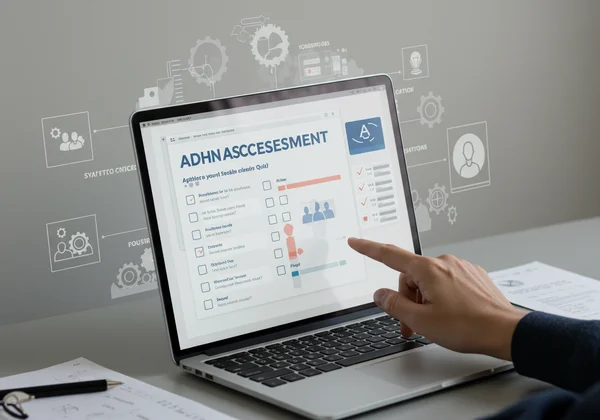
This is why a structured ADHD quiz is so much more helpful than a viral video. A well-designed ADHD quiz, like the one offered here, is built around these established criteria. It asks questions that reflect the nuances of the DSM-5, helping you review your experiences in a systematic way.
It moves beyond a single, relatable moment and prompts you to consider patterns over time and across different areas of your life. This methodical approach provides a much more reliable and insightful first look at your potential traits. If you are ready to see how your experiences line up, start your ADHD quiz today. It's free, confidential, and designed to offer you genuine insight as a starting point.
From TikTok Trends to Clarity: Your Next Steps
Navigating the world of online mental health content is confusing. It's exciting to feel understood, but it's also easy to get lost in a sea of misinformation. TikTok and other platforms can be a great catalyst for self-discovery, prompting you to ask important questions about yourself.
But that's where their role should end. Your journey doesn't have to stop at a relatable video or a confusing comment section. The next, most empowering step is to seek out reliable tools that can provide you with a clearer picture. A comprehensive ADHD quiz is the bridge between idle curiosity and informed action.
Ready to move beyond the hype? Take our free quiz to gain confidential, instant insights based on established scientific standards. It’s your personal, responsible next step toward clarity.
Frequently Asked Questions About ADHD & Self-Assessment
Do I have ADHD, or am I just easily distracted?
Everyone gets distracted sometimes. The key difference is the pervasiveness and impact. If your distractibility consistently undermines your performance at work or school, causes friction in your relationships, and makes managing daily life feel impossible, it might be more than a simple quirk. A good self-assessment can help you see if this is a persistent pattern.
Can a quiz tell me if I have ADHD?
No online tool can replace a formal diagnosis from a qualified healthcare professional. Think of an online ADHD quiz as a screening tool or a first step. It is designed to help you organize your thoughts and identify potential areas of concern based on established criteria, providing you with valuable information to discuss with a doctor if you choose to seek a formal evaluation.
How do I know if my social media self-diagnosis is accurate?
While social media can be a helpful starting point for self-exploration, it's not a reliable diagnostic tool. These platforms often highlight isolated traits without providing the full context of a clinical diagnosis, which considers symptom severity, duration, and impairment across different life areas. For a more accurate initial picture, we recommend using a structured online quiz grounded in scientific criteria.
What should I do after taking an ADHD self-assessment?
Your results are a starting point for reflection. If they indicate potential ADHD traits, the report may offer insights into your strengths and challenges. The most important next step is to consider speaking with a healthcare professional, such as a doctor, psychiatrist, or therapist. You can bring your results with you to help start the conversation about a comprehensive, professional evaluation.
Disclaimer: This article is for informational purposes only and is not a substitute for professional medical advice, diagnosis, or treatment. The online self-assessment tool offered on this website is an educational and preliminary resource. Always seek the advice of your physician or other qualified health provider with any questions you may have regarding a medical condition.