Adult ADHD Quiz & Guide: Symptoms, Diagnosis, and Thriving Daily
Have you ever felt like you're navigating life on a higher difficulty setting than everyone else? Juggling deadlines, remembering appointments, and staying focused in meetings can feel like monumental tasks. You might chalk it up to stress or a busy lifestyle, but a persistent question often lingers in the back of your mind: do I have ADHD quiz? If this resonates with you, you're not alone. Unpacking the complexities of adult ADHD is the first step toward clarity and empowerment, and this guide is here to walk you through it. The journey to understanding often begins with a single question, and you can start exploring for answers today by taking a free online ADHD quiz designed to offer preliminary insights.
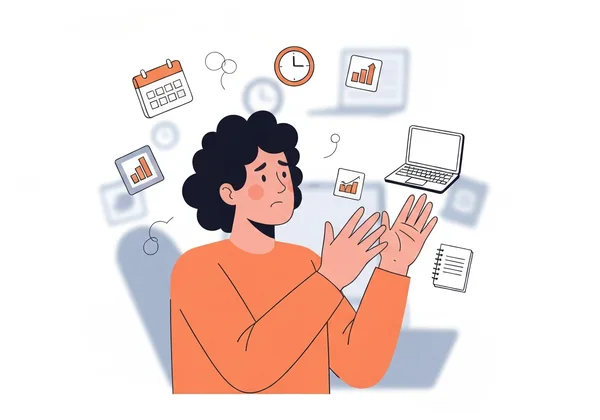
What is Adult ADHD? Understanding the Basics
Attention-Deficit/Hyperactivity Disorder (ADHD) is a neurodevelopmental condition that affects the brain's executive functions—the skills that help us plan, focus, remember, and manage our time. While it begins in childhood, its symptoms persist into adulthood for millions, often presenting in ways that are far more nuanced than the common stereotypes suggest.
Defining ADHD in Adulthood: Beyond Childhood Stereotypes
When many people think of ADHD, they picture a young boy who can't sit still in class. In adults, the condition looks very different. The overt hyperactivity of childhood often transforms into a subtler, internal restlessness. It might manifest as a constantly racing mind, an inability to relax, or a tendency to fidget during long meetings. Understanding this shift is crucial for recognizing ADHD in yourself or a loved one.
The Different Types of Adult ADHD: Presentation Matters
ADHD isn't a one-size-fits-all condition. It presents in three primary ways, and knowing which one aligns with your experience can be illuminating.
- Predominantly Inattentive Presentation: This is what was once commonly called ADD. Adults with this type struggle with focus, organization, and follow-through. They might frequently lose their keys, miss important details at work, or find their minds wandering during conversations.
- Predominantly Hyperactive-Impulsive Presentation: This type is characterized by that feeling of being "driven by a motor." Adults may talk excessively, interrupt others, make rash decisions, or struggle with patience in traffic or long queues.
- Combined Presentation: This is the most common type, where an individual experiences significant symptoms of both inattention and hyperactivity-impulsivity.
Recognizing Adult ADHD Symptoms: More Than Just Distraction
Identifying the signs of adult adhd symptoms is about looking at patterns of behavior that consistently impact your daily life, from your career to your personal relationships. These challenges are not a reflection of your character, intelligence, or effort.
Core Symptoms: Inattention, Hyperactivity, and Impulsivity in Adults
Let's break down how the core symptoms appear in an adult context:
- Inattention: This isn't just about getting distracted by social media. It's about chronic difficulty sustaining focus on mundane tasks, poor listening skills, and a tendency to procrastinate on projects that require mental effort.
- Hyperactivity: In adults, this can be subtle. It might look like constant fidgeting, tapping your foot, choosing a highly active job, or feeling an intense, persistent restlessness.
- Impulsivity: This can have significant real-world consequences, such as making large purchases you can't afford, abruptly quitting a job, or struggling to filter your thoughts before speaking.
Subtle Signs & Masking: When ADHD Hides in Plain Sight
Many adults, especially those who were never diagnosed as children, develop sophisticated coping mechanisms to hide their symptoms. This is known as masking adhd. It can include developing perfectionistic tendencies to overcompensate for disorganization, experiencing chronic anxiety from the fear of making a mistake, or feeling constantly exhausted from the effort of appearing "normal."
ADHD in Women: Unique Manifestations and Diagnostic Challenges
ADHD often presents differently in women, which has led to generations of underdiagnosis. Women are more likely to have the inattentive presentation and internalize their symptoms. They may be described as "daydreamers" or "chatty," with their struggles often misattributed to anxiety or depression. Hormonal fluctuations throughout their lives can also significantly impact the severity of their ADHD symptoms.
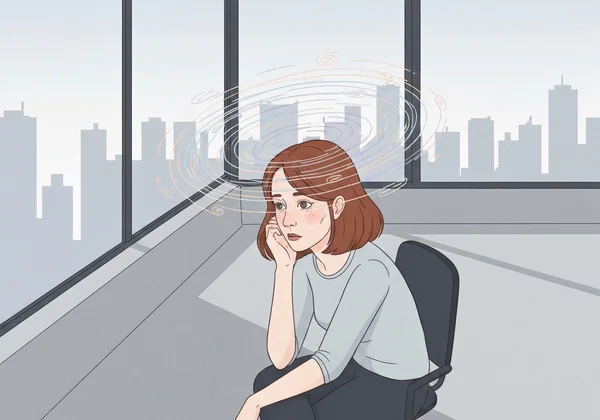
Seeking Clarity: The Adult ADHD Diagnosis Process
If the symptoms described above feel intensely familiar, your next question is likely, "What now?" The path to diagnosis is a process of seeking professional clarity.
When to Consider a Professional Evaluation for Adult ADHD
It's time to consider a professional evaluation when you recognize a persistent pattern of symptoms that negatively affects two or more areas of your life, such as your work, your home life, or your social relationships. If you're consistently feeling overwhelmed, underachieving despite your best efforts, or struggling with your mental well-being, getting an assessment is a proactive step.
What to Expect During an Adult ADHD Assessment
A formal diagnosis must be made by a qualified healthcare professional, like a psychiatrist or psychologist. The assessment typically involves a detailed clinical interview about your personal history (including your childhood), standardized rating scales, and a review to rule out other conditions that can mimic ADHD symptoms, such as anxiety, depression, or thyroid issues.
Your First Step: Reliable Free Online ADHD Quiz for Adults
Before diving into a formal assessment, many people find it helpful to start with a self-screening tool. Our adult ADHD quiz can be an invaluable first step. While it is not a diagnostic tool, a well-designed screener based on established criteria can help you organize your thoughts and validate your concerns. It provides a structured look at your experiences, giving you a better-informed foundation for a conversation with a healthcare provider. If you're curious, you can gain clarity now with a confidential online screener.

Thriving with Adult ADHD: Practical Strategies for Daily Life
Receiving a diagnosis isn't an endpoint; it's the beginning of a new chapter in self-understanding and living with adhd. It unlocks a world of strategies designed to work with your unique brain wiring, not against it.
Practical Tips for Organization, Time Management, and Productivity
- Externalize Everything: Use calendars, planners, apps, and alarms to keep track of appointments and tasks. Your brain isn't a reliable storage unit, so don't treat it like one.
- Break It Down: Overwhelmed by a big project? Break it into tiny, manageable steps. The goal is to make the first step so easy you can't say no.
- The "Two-Minute" Rule: If a task takes less than two minutes to complete, do it immediately. This prevents small to-dos from piling up.
Navigating Relationships & Social Challenges with ADHD
Understanding how ADHD impacts your interactions can be transformative. Explaining to loved ones why you might forget a birthday or zone out during a story isn't an excuse, but an explanation that fosters empathy and better communication.
Managing Emotions, Impulsivity, and Rejection Sensitive Dysphoria
Many adults with ADHD experience intense emotional reactions, particularly to perceived criticism or rejection—a phenomenon sometimes called Rejection Sensitive Dysphoria (RSD). Mindfulness, therapy, and simply being able to name the experience can significantly reduce its power over you.
Exploring Support Systems & Treatment Options (Beyond Diagnosis)
A multi-faceted approach is often most effective. This can include cognitive-behavioral therapy (CBT) tailored for ADHD, working with an ADHD coach, seeking out support groups, and discussing medication options with a qualified medical professional.

Your Path to Understanding and Empowerment with Adult ADHD
Recognizing the possibility of adult ADHD in your life is a powerful moment of self-awareness. It's not about finding a label for your flaws; it's about discovering a framework that explains your lifelong challenges and illuminates your unique strengths. This knowledge empowers you to stop fighting against your brain and start working with it.
Your journey is your own, but it doesn't have to be a solitary one. If this guide has sparked a sense of recognition, we encourage you to take the next step. A simple, confidential online quiz can be a powerful tool for self-reflection and the beginning of your path toward thriving. Are you ready to gain clarity? Start your quiz today and unlock a deeper understanding of yourself.
Frequently Asked Questions About Adult ADHD
How do I know if I have adult ADHD?
The only way to know for sure is through a comprehensive evaluation by a qualified healthcare professional. However, a good starting point is to reflect on whether you have persistent symptoms of inattention, hyperactivity, or impulsivity that significantly impact your daily life. An online screening tool can help you organize these thoughts.
Are there reliable free online ADHD quizzes for adults?
Yes, there are. A reliable quiz, like our free online ADHD quiz, is based on established scientific criteria (like the DSM-5) and is designed as a preliminary screening tool. It can provide valuable insights but should never replace a professional diagnosis.
Can adult ADHD symptoms be confused with anxiety or other conditions?
Absolutely. There is significant overlap between the symptoms of ADHD, anxiety, depression, and even bipolar disorder. For example, a racing mind can be a sign of both anxiety and ADHD. This is why a professional assessment is crucial to ensure an accurate diagnosis and appropriate treatment.
What should I do after taking an online ADHD screener?
If your results from an online screener suggest you may have traits associated with ADHD, the recommended next step is to schedule an appointment with your doctor or a mental health professional. You can bring your results with you to help start the conversation.
Do ADHD symptoms change as women approach menopause?
Research suggests that they can. The hormonal shifts that occur during perimenopause and menopause, particularly the decline in estrogen, can exacerbate ADHD symptoms. Many women report a significant increase in brain fog, memory issues, and difficulty with focus during this life stage.
Disclaimer: This article is for informational purposes only and does not constitute medical advice. The information contained herein is not a substitute for, and should never be relied upon for, professional medical advice. Always seek the advice of your physician or other qualified health provider with any questions you may have regarding a medical condition.