正式なADHD診断を提供できるのは誰か?
正式なADHD診断を誰が提供できるのかという質問に対する簡潔な答えは、ADHD評価の訓練を受けており、あなたの地域で精神的健康または医学的結論を下す権限を持つ、資格のある臨床医です。 具体的な専門家は、精神科医、心理学者、小児科医、プライマリケア医、神経科医、ナースプラクティショナー、医師助手、またはその他の資格のある臨床医であり、年齢、症状、州の規則、書類の目的によって異なります。 セラピストや学校の専門家がプロセスに関与することもありますが、その役割は異なる場合があります。 まだ観察事項を整理している場合は、プライベートADHD自己評価 が、専門家によるケアに代わることなく、後の会話に備えて言葉をまとめるのに役立ちます。
What Counts as an Official ADHD Diagnosis?
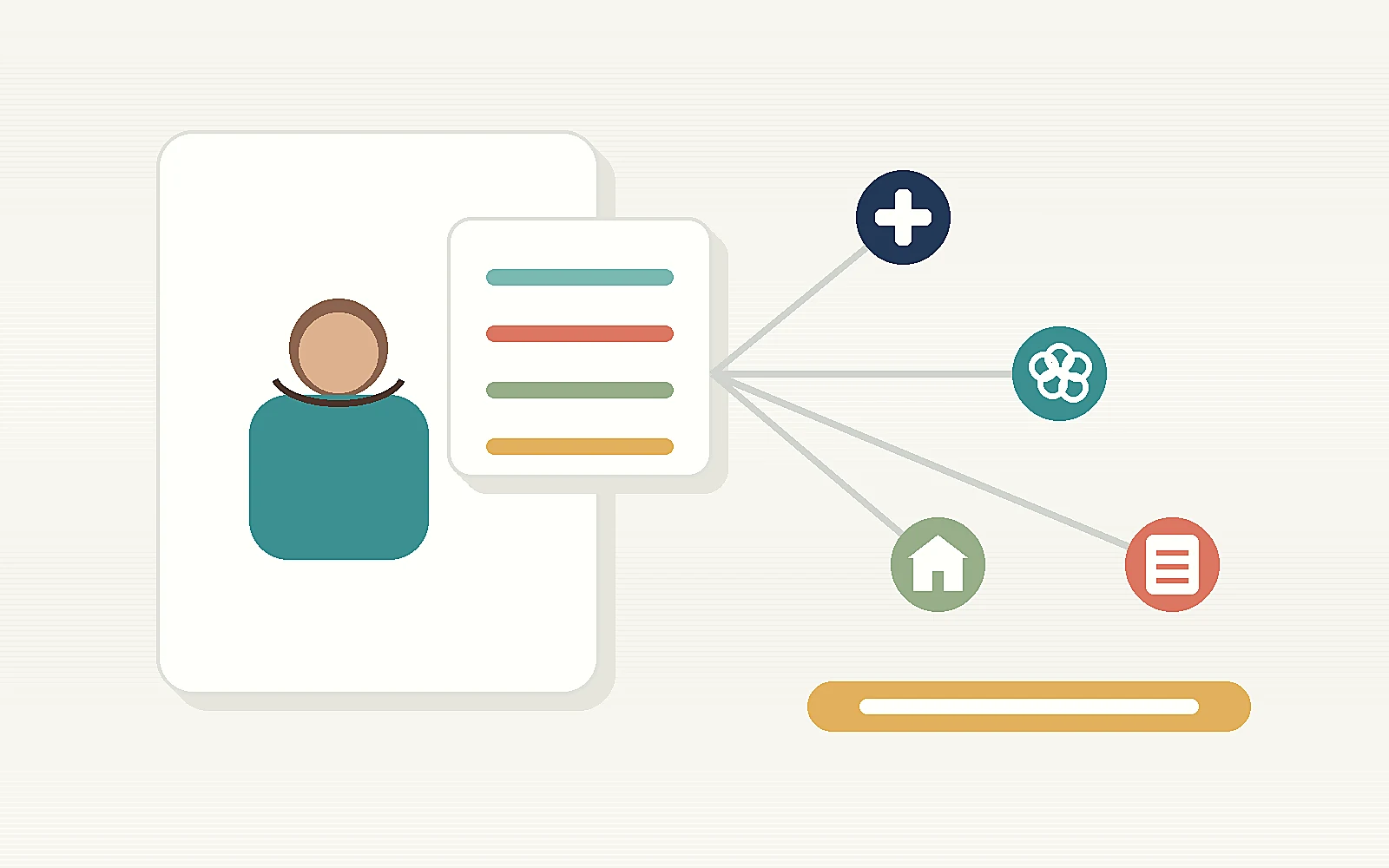
An official ADHD diagnosis is usually more than a quick conversation or a single quiz score. It is a clinical conclusion based on symptoms, history, impairment, development, medical context, and information from more than one setting when possible. For children and teens, that often means input from parents and school. For adults, it may include childhood history, current work or school challenges, screening questionnaires, and a review of other explanations such as anxiety, depression, sleep problems, substance use, trauma, thyroid issues, or learning differences.
The professional is not simply asking whether you feel distracted. They are looking for a pattern: symptoms that have lasted over time, began earlier in life, show up in more than one part of life, and create real difficulty. This is why a formal evaluation can take longer than a standard visit.
It also helps to separate three ideas:
- Screening points to traits that may deserve attention.
- Evaluation gathers clinical history and supporting evidence.
- Diagnosis is the professional conclusion that may guide care, accommodations, or treatment.
Which Professionals Commonly Handle ADHD Evaluation?
Different professionals can contribute different pieces. The best fit depends on whether the person is a child, teen, or adult; whether medication is being considered; whether autism or a learning difference is also possible; and whether the goal is treatment, school support, workplace accommodations, or personal clarity.
| Professional | Common role in ADHD evaluation | Medication role |
|---|---|---|
| Psychiatrist | Mental health and medical evaluation, medication planning, complex cases | Often yes |
| Psychologist | Testing, interviews, rating scales, differential assessment | Usually no |
| Pediatrician or family physician | First-line evaluation, especially for children or straightforward adult concerns | Often yes |
| Nurse practitioner | Evaluation and medication management within state scope and training | Often possible, state dependent |
| Physician assistant | Evaluation and medication management as permitted by state law and supervising/collaborating structures | Often possible, state dependent |
| Neurologist | Helpful when neurological history, seizures, head injury, or complex attention concerns are relevant | Often yes |
| Therapist, counselor, LMHC, or social worker | Symptom screening, therapy, history gathering, support, referrals; formal authority varies | Usually no |
| School psychologist or educational specialist | School-based assessment and accommodation support | No medication role |
For many people, the first practical step is a primary care visit. A primary care clinician may complete the evaluation directly or refer you to a psychiatrist, psychologist, developmental-behavioral pediatrician, neuropsychologist, or another specialist. If you are not ready for an appointment, a structured ADHD screening starting point can help you write down examples before you speak with a clinician.
Can Psychiatrists, Psychologists, NPs, PAs, and LMHCs Help?
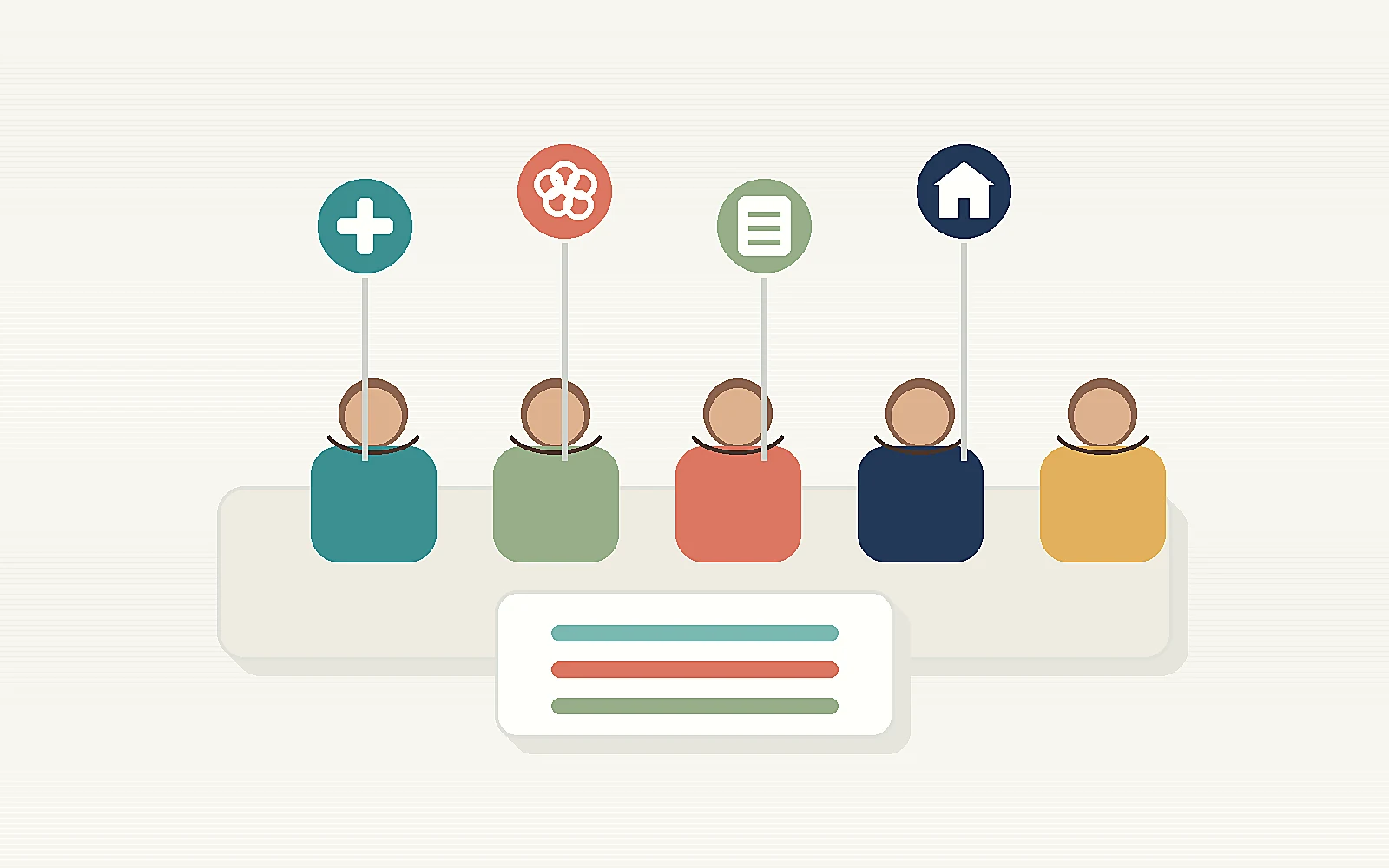
Yes, but the word "help" matters because the legal and clinical role is not identical for every profession.
Psychiatrists are medical doctors who specialize in mental health. They can evaluate ADHD, consider coexisting conditions, and usually prescribe medication if appropriate. They are often a strong fit when symptoms overlap with mood disorders, anxiety, trauma, substance use, or medication questions.
Psychologists often provide detailed assessments. They may use rating scales, interviews, cognitive testing, and reports from school, work, or family. They are especially useful when learning disabilities, autism, giftedness, memory concerns, or complex adult history are part of the question. Most psychologists do not prescribe medication, though rules vary in a few places.
Nurse practitioners and physician assistants can be important access points. In many U.S. settings, appropriately licensed NPs or PAs can evaluate ADHD and manage medication, but state rules, training, practice setting, and controlled-substance regulations matter. A family nurse practitioner may be able to help, especially in primary care, but it is reasonable to ask directly: "Do you evaluate ADHD, and can you manage treatment if criteria are met?"
Therapists, licensed mental health counselors, and social workers can be excellent allies. They can document symptoms, identify patterns, provide therapy, teach coping strategies, and refer you for medical or psychological evaluation. Whether their report is accepted as an official ADHD diagnosis depends on their license, jurisdiction, setting, and the organization requesting documentation. For disability accommodations, each school, testing agency, or employer may have its own documentation rules.
What If ADHD and Autism Are Both Possible?
When ADHD and autism may both be relevant, the evaluation often benefits from a broader specialist. A developmental-behavioral pediatrician, child psychologist, neuropsychologist, psychiatrist, or autism clinic may look at attention, social communication, sensory patterns, executive functioning, learning, emotional regulation, and developmental history together.
This matters because ADHD and autism can overlap. A person may have difficulty shifting attention, managing transitions, reading social cues, tolerating sensory input, or following multi-step tasks. The reason behind those challenges can differ from person to person, and some people meet criteria for both conditions. A fuller evaluation can reduce the chance that one explanation hides another.
For a child, ask whether the clinician collects parent and teacher rating scales and developmental history. For an adult, ask whether the clinician is comfortable evaluating adult ADHD, adult autism traits, and masking. A careful professional should be able to explain the scope of the assessment before you commit.
Does Location Matter, Including Washington State?
Yes. Location matters because licensing laws, prescribing rules, insurance networks, telehealth policies, and accommodation documentation standards can differ. If you are searching for who can provide an ADHD diagnosis in Washington State, California, Texas, New York, or anywhere else, do not rely only on a job title. Ask about the professional's license, ADHD experience, whether they evaluate your age group, whether they can prescribe or coordinate medication if needed, and whether their report is accepted for your goal.
The question is especially important for nurse practitioners, physician assistants, LMHCs, school professionals, and telehealth providers. A clinician may be qualified for therapy but not medication. Another may handle medication but refer out for testing. A school may evaluate educational needs but still recommend a medical or psychological evaluation for healthcare treatment. None of that means the first professional is unhelpful; it just means the path may involve more than one person.
How to Prepare for an ADHD Evaluation
Good preparation can make the appointment more useful. You do not need perfect notes, but concrete examples are better than vague labels.
Bring or write down:
- Three to five examples of attention, impulsivity, restlessness, time management, or emotional regulation problems.
- When the pattern began, including childhood clues if you are an adult.
- Where it shows up: work, school, home, relationships, driving, money, chores, or parenting.
- Any prior school reports, accommodation letters, therapy notes, or evaluation results.
- Sleep habits, medications, substance use, medical conditions, and major stressors.
- Family history of ADHD, learning differences, autism, anxiety, depression, or substance use.
- Questions about treatment, coaching, therapy, accommodations, and follow-up.
For children, it can help to gather teacher observations and school performance patterns. For adults, examples from partners, relatives, old report cards, performance reviews, or long-running daily-life struggles may help establish history. Be honest about both strengths and difficulties. ADHD evaluation is not about proving a stereotype; it is about understanding a pattern.

Common Mistakes When Choosing a Professional
One common mistake is assuming that any mental health professional can provide every kind of ADHD documentation. Another is assuming that only one type of professional ever can. Reality is more practical: you need the right professional for your age, symptoms, location, and goal.
Avoid these traps:
- Choosing a provider only because they are available soon, without checking ADHD experience.
- Asking for medication from a professional who cannot prescribe.
- Expecting a school evaluation to replace medical care.
- Expecting a brief online screen to equal a clinical conclusion.
- Waiting until an urgent deadline to ask about accommodation paperwork.
- Ignoring possible overlap with sleep, anxiety, depression, trauma, autism, or learning differences.
It is also wise to ask about cost and timeline. Some evaluations require multiple sessions. Some insurance plans cover medical visits but not full neuropsychological testing unless there is a specific reason. A clear phone call before scheduling can save time and frustration.
Use Screening as a Bridge to the Right Professional
If you are unsure where to begin, think of screening as a bridge rather than a verdict. A private self-check can help you notice patterns, name examples, and decide whether a professional conversation makes sense. It cannot provide an official ADHD diagnosis, and it should not be used to change medication or make major health decisions on its own.
The most useful next step is usually modest: gather examples, check your insurance or local clinic options, ask whether the clinician evaluates ADHD for your age group, and clarify whether they can provide the type of report you need. If you want a low-pressure way to organize your thoughts first, an ADHD quiz summary for reflection can support that preparation before you contact a qualified professional.

FAQ
Who can provide an ADHD diagnosis officially?
Usually, an official ADHD diagnosis comes from a licensed clinician whose training and legal scope include ADHD evaluation. Common options include psychiatrists, psychologists, pediatricians, family physicians, neurologists, nurse practitioners, and physician assistants. Counselors, therapists, social workers, and school professionals may also contribute, but their authority depends on license, setting, and the purpose of the documentation.
Can a nurse practitioner provide an ADHD diagnosis and prescribe medication?
Often yes, but it depends on state law, license type, training, and practice setting. Some nurse practitioners evaluate ADHD and manage medication. Others refer to psychiatry, psychology, or primary care partners. Ask directly about ADHD evaluation, controlled-substance prescribing, follow-up visits, and whether their documentation fits your goal.
Can a PA provide an ADHD diagnosis?
A physician assistant may be able to evaluate ADHD and participate in treatment when their state rules, supervising or collaborating structure, and clinical setting allow it. Because rules vary, ask whether the PA handles ADHD evaluations, whether a physician also reviews the case, and what documentation they can provide.
Can a therapist or LMHC evaluate ADHD in adults?
A therapist or LMHC can often screen for symptoms, explore history, treat related challenges, and refer for additional assessment. Whether their written conclusion is accepted as an official ADHD diagnosis depends on local law, license scope, and the organization requesting the paperwork. For medication, a prescriber is usually needed.
What are three warning signs of ADHD?
Three common warning signs are ongoing inattention that disrupts daily life, impulsive choices or interruptions that create problems, and restlessness or internal agitation that is hard to manage. In adults, these may show up as chronic lateness, unfinished tasks, lost items, emotional reactivity, or difficulty following through even with strong intentions.
What is the 30% rule for ADHD?
The 30% rule is an informal idea often used to describe executive-function lag in ADHD. It is not an official diagnostic rule. The safer way to use it is as a reminder that support should match a person's real-life functioning, not just age or intelligence. A clinician can help interpret development, impairment, and support needs more carefully.
What are common factors that make ADHD symptoms worse?
Common worsening factors include poor sleep, high stress, unclear routines, too many competing demands, hunger or inconsistent meals, heavy digital distraction, substance use, and major transitions. These factors do not prove ADHD on their own, but noticing them can help you prepare useful examples for an evaluation.