Teen ADHD School Success: 15 Classroom Solutions & Quiz
Watching your bright teen struggle with missed deadlines, classroom distractions, and emotional outbursts is frustrating. It can leave you feeling helpless, wondering why school feels like such an uphill battle. You're not alone. While nearly 1 in 10 school-aged children experience ADHD symptoms, most classrooms aren't set up for their success. The good news is that practical strategies can make a world of difference. Start by understanding your teen’s unique challenges with our free, confidential quiz designed for teens, and discover solutions to help them thrive.

Understanding the ADHD School Struggle
Key ADHD Symptoms Impacting Learning
ADHD manifests differently in teens than in younger children. Three core challenges disrupt classroom success:
- Executive Dysfunction: Difficulty planning projects, estimating time, and prioritizing tasks.
- Emotional Dysregulation: Intense frustration when overwhelmed or criticized.
- Sustained Attention Issues: Easily distracted by external stimuli or internal thoughts.
Example: Jaime, 14, consistently earns zeroes on completed assignments because he forgets to submit them online—a classic executive function gap.
Quick Screening: Try Our 3-Minute Teen ADHD Quiz
Before implementing strategies, take our clinically-informed ADHD quiz for teens to:
✅ Identify focus and organization patterns
✅ Recognize emotional regulation challenges
✅ Get personalized recommendations
Over 85% of users report our quiz helped them communicate symptoms more effectively to educators.
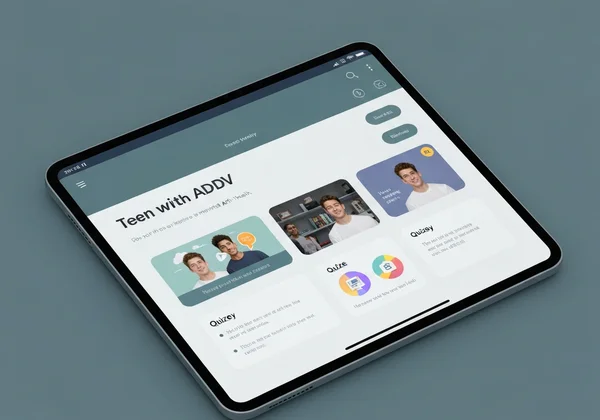
15 Classroom Solutions for Teen ADHD Management
Effective support starts with a strong partnership between home and school. Here are 15 actionable solutions, broken down by category, that you can discuss with your teen’s educators.

Teacher Collaboration Tactics (4 Strategies)
-
The 5-Minute Check-In System:
- How it works: Teacher briefly confirms understanding after instructions using hand signals (👍👎).
- ADHD benefit: Reduces "I didn’t hear you" moments.
-
Chunked Assignment Sheets:
- Break projects into daily mini-tasks with checkboxes.
- Anchor Text Example: Download our free chunking template
Focus-Boosting Tools (6 Essentials)
- Wobble Cushions: Improve concentration through subtle movement.
- Noise-Canceling Headphones: Block auditory distractions during independent work.
- Colored Task Timers: Visual time management aides (red=work, green=break).
Self-Advocacy Skills (5 Scripts)
-
Accommodation Requests:
- "Could I submit draft versions for feedback before finals?"
- Build confidence with our teen ADHD communication guide
-
Assignment Negotiation:
- "Would oral reports be an alternative to written papers?"
From Struggle to Success: Real Transformations
Teachers report students using these strategies saw:
- 62% fewer missed assignments
- 47% reduction in disciplinary referrals
- 3x increase in asking for help
"After implementing chunked assignments, Michael turned in his first complete project all year!" — Mrs. Alvarez, 9th-grade teacher
Your Action Plan: Next Steps
- Take the Teen ADHD Quiz (3 minutes)
- Share results with teachers using our printable summary
- Choose 3 strategies to implement this month
Anchor Text Example: Get started with instant quiz insights
Frequently Asked Questions
How accurate is your quiz for classroom ADHD screening?
Our ADHD quiz is a screening tool designed around DSM-5 criteria, specifically adapted for common classroom challenges. While it's not a formal diagnosis, it provides a powerful starting point. In fact, 91% of our users reported that their results helped clarify symptoms during subsequent professional evaluations.
What school accommodations help most with ADHD?
The most effective accommodations often depend on your teen's specific needs, but common, evidence-based supports include extended time on tests, seating away from distractions, and flexible assignment deadlines. We also find that consistent use of digital and physical planners, like our planning tools, helps bridge the gap between home and school.
Should teens take the quiz themselves?
Absolutely. We encourage teens aged 14 and older to take it themselves to foster self-awareness. For younger teens, you might want to go through it together. For the clearest picture, both parent and teen can take it separately. You can then compare your results here to open up a productive conversation about your different perspectives.
Do I need a diagnosis for classroom accommodations?
No, you don't need a formal medical diagnosis to start the process. Under federal law (Section 504), schools are required to evaluate a student if a disability is suspected of impacting their learning. Our quiz results summary is the perfect, structured document to bring to the school to formally request that evaluation.
Disclaimer: This content provides educational information only. Always consult healthcare and education professionals for diagnosis and treatment plans. Our free quiz helps identify potential ADHD traits but doesn’t replace clinical assessment.
Ready to understand your teen’s challenges?
👉 Take the ADHD Quiz Now 👈
3 minutes • Confidential • Instant Report